
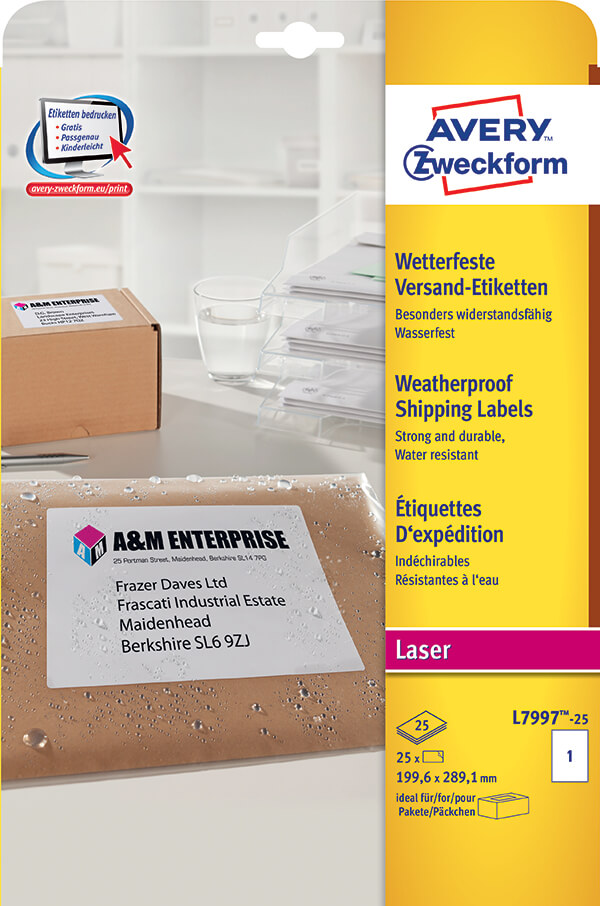
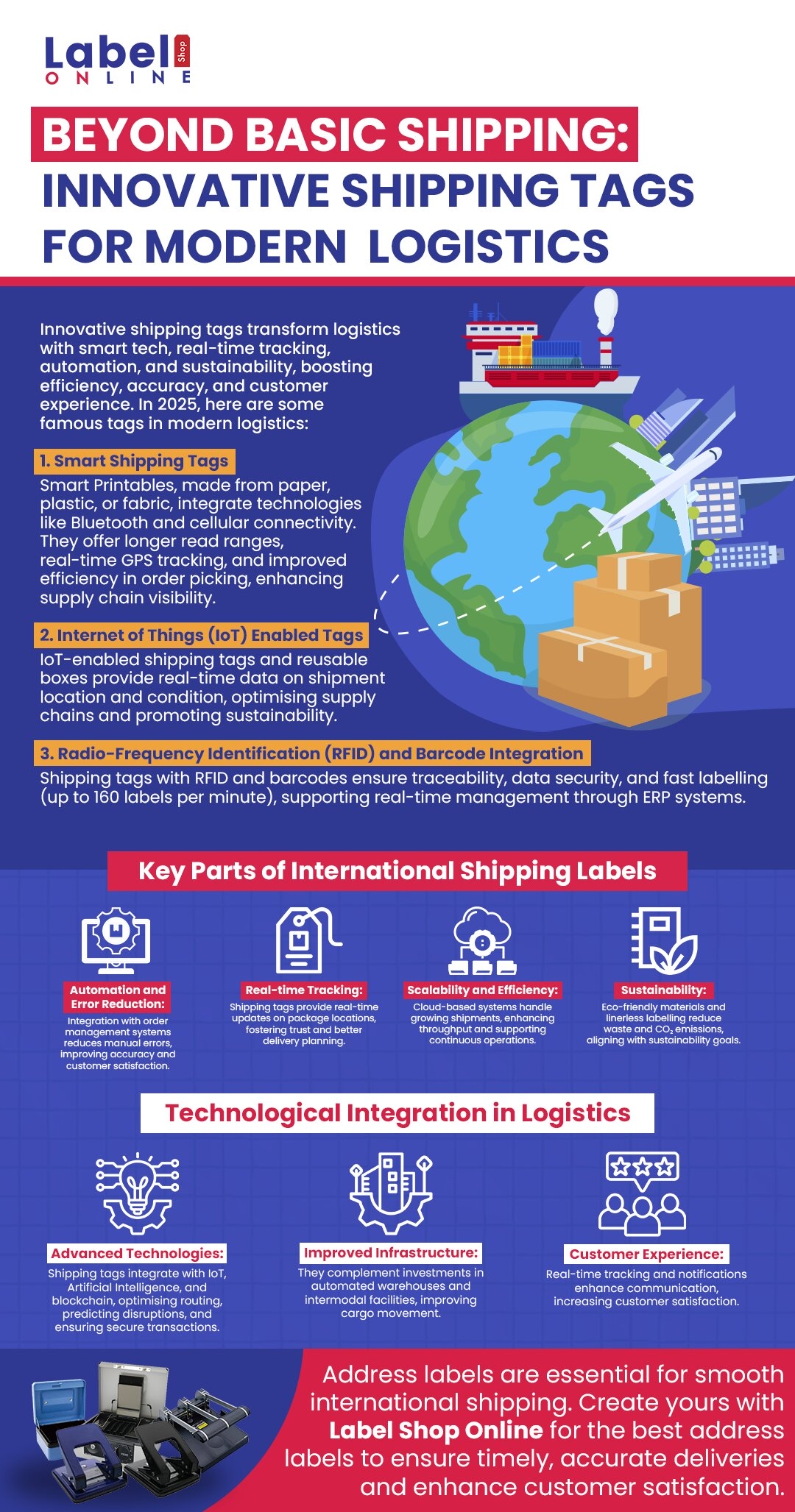
Weatherproof Shipping: The Importance of Waterproof Labels in Southeast Asian Logistics
Southeast Asia’s logistics industry faces unique challenges due to the region’s tropical climate, characterised by high humidity, heavy rainfall, and fluctuating temperatures. In these conditions, waterproof labels are not just a vanity feature, they are necessary to ensure efficient and reliable shipping processes. Here’s why waterproof labels are critical in Southeast Asian logistics.
Why Waterproof Labels Matter in Logistics
Across industries, waterproof labelling solutions help businesses maintain efficiency, compliance, and customer satisfaction in a diverse and often unpredictable logistical environment. Labels are essential communication tools in logistics, providing critical information such as shipping addresses, barcodes, handling instructions, and product details.
However, standard labels often fail when exposed to moisture, leading to smudging, tearing, or peeling. This can result in misdelivery, delays, or damaged goods. Waterproof labels address these issues by offering durability and reliability in adverse conditions. Investing in high-quality, moisture-resistant labels ensures that important product information remains intact, helping companies streamline supply chains, prevent costly errors, and enhance brand reliability.
Waterproof labels are specifically designed to endure adverse conditions, including full submersion in water. They prevent smudging and peeling, ensuring durability and reliability even in extreme environments.
How Waterproof Labels Enhance Longevity and Efficient Delivery
| Resistance to Weather Conditions | Waterproof labels are designed to withstand rain, humidity, and even submersion in water. This ensures that vital information remains legible throughout the shipping process. |
| Enhanced Barcode Scanning | Barcodes are crucial for tracking shipments. Standard labels may smudge or become unreadable when wet, causing logistical errors. Waterproof labels prevent such issues. |
| Durability Across Supply Chains | These labels resist tearing, fading, and abrasion during long-distance transportation and handling. |
| Professional Appearance | Even after exposure to harsh conditions, waterproof labels maintain a clean and professional look, reflecting positively on a company’s brand image. |
Navigating Logistics Challenges in Southeast Asia
The logistics sector in Southeast Asia faces unique environmental challenges that can significantly impact supply chain efficiency and product integrity. Some of the key challenges include:
1. Heavy Rainfall
Southeast Asia experiences frequent and intense downpours, especially during the monsoon season. These heavy rains can cause damage to packaging, shipping labels, and goods, particularly if they are not properly waterproofed. Standard labels can smudge, fade, or become unreadable, leading to delivery delays, misrouted shipments, and increased operational costs.
2. High Humidity
The region’s consistently high humidity levels create additional difficulties for logistics operations. Excess moisture can weaken adhesives on packaging, causing labels to peel off, which increases the risk of misplaced or lost shipments. For perishable goods, electronics, and pharmaceuticals, high humidity can accelerate spoilage or corrosion or reduce product shelf life, requiring specialised packaging solutions.
3. Temperature Fluctuations
Products in transit often move between hot outdoor conditions and cold storage facilities, creating thermal stress that can affect packaging integrity. Sudden temperature changes can lead to condensation, which may damage labels, weaken cartons, or affect sensitive goods like food, medicine, and chemicals. Without proper temperature-controlled logistics and insulated packaging, these fluctuations can compromise product quality and increase spoilage rates.
Waterproof labels mitigate these challenges using durable materials like polypropylene (BOPP), polyester, or vinyl. These materials are non-porous and paired with strong adhesives that ensure the label stays intact even on damp or rough surfaces.
Industries That Benefit from Waterproof Labels
Companies in sectors such as e-commerce, food & beverage, pharmaceuticals, and logistics rely on high-quality, durable labels to maintain efficiency, compliance, and product integrity throughout transportation and storage. Several industries in Southeast Asia rely heavily on waterproof labels due to their specific logistical needs:
1. E-Commerce: Ensuring Package Durability in Transit
With the rapid rise of online shopping and cross-border e-commerce, packages often go through multiple handling points, including outdoor depots, warehouses, and international shipping routes. Southeast Asia’s frequent rain and humidity pose risks to standard paper-based labels, which can smudge, tear, or become illegible. Waterproof labels provide moisture-resistant, long-lasting adhesion, ensuring that package tracking information, barcodes, and delivery addresses remain intact throughout the journey.
2. Food & Beverage: Maintaining Compliance in Cold Chain Logistics
The food and beverage industry depends on temperature-controlled storage and transport to ensure the safety and freshness of perishable goods. Whether it’s chilled dairy products, frozen seafood, or bottled beverages, condensation and fluctuating temperatures can cause ordinary labels to degrade or peel off. Waterproof labels, made with high-strength adhesives and moisture-resistant materials, prevent such issues, keeping product details, expiration dates, and branding intact, crucial for regulatory compliance and consumer trust.
3. Pharmaceuticals: Protecting Critical Information Under Extreme Conditions
The pharmaceutical sector requires strict regulatory compliance and clear labelling for medications, vaccines, and medical supplies. Many pharmaceutical shipments must be stored at controlled temperatures, whether in cold chain environments or humid warehouses. Waterproof labels ensure that dosage instructions, batch numbers, and safety warnings remain legible, reducing the risk of mislabeling, regulatory violations, and patient safety concerns.
4. Logistics Providers: Ensuring Seamless Operations Across Borders
Southeast Asia’s logistics and supply chain industry handles long-distance and multi-modal shipments that pass through various climates, customs checks, and storage facilities. Couriers and third-party logistics (3PL) providers must track packages accurately, even in challenging conditions such as monsoon rains or high heat. Waterproof labels enhance durability, preventing smudging or peeling that could lead to lost shipments, delayed deliveries, or misrouted packages.
Choosing the Right Waterproof Labels
When selecting waterproof labels, it’s essential to consider durability, adhesive quality, and print compatibility to ensure they withstand exposure to water, humidity, and extreme conditions. Here’s a breakdown of the key factors to help you choose the best waterproof labels for your needs:
1. Material: Maximising Durability & Water Resistance
The right label material ensures longevity and resistance to moisture. Consider these waterproof options:
| BOPP (Biaxially Oriented Polypropylene) | A durable, water-resistant material is ideal for food packaging, cosmetics, and beverage labels. |
| Vinyl Labels | Highly flexible and resistant to extreme conditions, making them perfect for outdoor use and industrial applications. |
| Polyester (PET) Labels | Known for their high durability, scratch resistance, and ability to withstand harsh environmental conditions. |
2. Adhesive Strength: Ensuring Long-Lasting Application
A label’s adhesive plays a crucial role in preventing peeling or detachment in wet conditions. When choosing waterproof labels, look for:
| Permanent Adhesives | Designed to create a strong, long-lasting bond on surfaces, even when exposed to moisture. |
| Removable Adhesives | Suitable for temporary applications where labels may need to be repositioned or removed without leaving a residue. |
| High-Tack Adhesives | Ideal for rough or curved surfaces, ensuring the label stays intact despite challenging conditions. |
3. Printing Compatibility: Maintaining Print Clarity & Longevity
Not all printers can handle waterproof labels effectively. Choose the right printing method for high-quality, long-lasting results:
| Laser Printers | Provide smudge-resistant and waterproof printing, ideal for professional applications. |
| Thermal Transfer Printers | Use heat-sensitive ribbons to create highly durable, water-resistant labels. |
| UV-Coated Inkjet Printing | Adds an extra layer of protection, preventing ink from fading or smudging when exposed to moisture. |
Conclusion
In Southeast Asia’s dynamic logistics environment, waterproof labels are indispensable to maintaining efficiency and accuracy. They protect vital shipping information from the region’s challenging weather conditions while enhancing brand professionalism.
Make every shipment count with the right weatherproof and waterproof labels, because the details matter. Explore high-quality labels today with Label Shop Online and take your mailing efficiency to the next level!

Add comment